
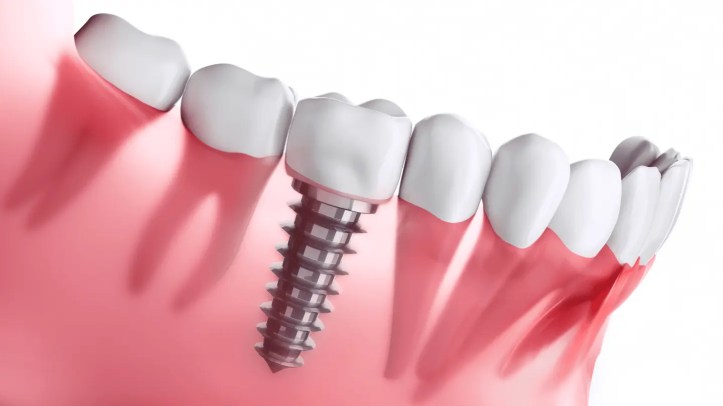
Ask ten people what a dental implant is and most will describe the finished tooth, not the months of underground work that made it possible. It sits closer to laying foundations before erecting scaffolding than to the one-sitting fix of a filling. Anyone weighing dental implants Singapore prices side by side without accounting for that groundwork is comparing quotes that assume very different amounts of work got done before the visible part ever showed up.
What a Scan Reveals That an X-Ray Will Not
A flat X-ray is a silhouette; a cone-beam CT scan is a floor plan. The 3D image maps bone density in three dimensions, flags exactly where the nerve canal and sinus floor sit, and shows whether the site can take an implant today or needs work first. A quote handed out before this scan is a placeholder, not a final number, because several of the biggest cost drivers have not been measured yet.
Bone That Is Not Used, Disappears
Bite force is what keeps jawbone dense; take the tooth root away and the signal telling the bone to stay put goes with it. Within a year a ridge can lose close to a quarter of its width, faster in smokers and in anyone with untreated gum disease. Dentists rarely push for a quick decision for cosmetic reasons; they push because the longer that ridge sits idle, the more rebuilding a later implant will need.
The Fixture Goes In Long Before the Tooth Goes On
Visit one is entirely underground work: a titanium fixture, roughly the size of a matchstick, is threaded into the jaw through a small opening in the gum under local anaesthetic. Nothing about that visit produces a tooth anyone else would notice. A cover screw or a temporary crown sits on top while the real work, fusing with living bone, happens out of sight over the following months.
One Post, a Row of Posts, or a Full Rebuild
Losing one tooth calls for one fixture and one crown. Losing several in a row can often be bridged across two or three fixtures rather than one per gap, since a bridge spreads bite force across its anchors. For anyone missing most of an arch, a full-arch tooth replacement specialist can anchor an entire set of teeth on four to six fixtures per jaw, a structural approach that changes both the surgical plan and the final invoice considerably.
The Fortnight Nobody Warns You About
Swelling peaks around day two or three and settles by day five, roughly what follows a wisdom tooth coming out. Soft food, not liquid food, is the rule for the first week, since chewing pressure near a fresh fixture can dislodge it before it has settled. Anyone flying internationally within ten days of surgery should mention it beforehand; cabin pressure rarely causes problems, but a dentist would rather know in advance.
Curing Time Is Not a Suggestion
Fusion between bone and titanium, known as osseointegration, runs on a biological clock that surgery cannot shorten: roughly two to three months in a lower jaw, sometimes longer up top where bone tends to run softer. Loading a crown onto that fixture too early can allow micro-movement that stops the fusion from ever completing, a far costlier setback than the extra weeks of patience it would have taken to avoid.
When the Site Needs Reinforcing First
Years of an empty gap, or bone lost to gum disease, often leaves too little material for a fixture to grip on its own. Grafting fills that gap with the patient’s own bone, donor tissue, or a synthetic substitute, and needs three to six months to knit in before implant surgery can even be scheduled. A sinus lift solves the same problem at the back of the upper jaw, where the sinus cavity itself sometimes sits in the way.
What Keeps a Finished Implant Working for Decades
Titanium does not decay, but the gum wrapped around it can still turn against it: peri-implantitis behaves like gum disease and, left alone, eats away at the bone holding the fixture in place. There is no nerve inside an implant to send an early pain signal, which is exactly why the six-monthly check-up matters more here than it did for the natural tooth it replaced.
Why Two Similar-Looking Quotes Can Land Far Apart
Fixture count, crown material, whether grafting is involved, and how much imaging went into planning all move the final number independently of each other. A single fixture in healthy bone sits at the cheap end of any range quoted locally; add a graft or a sinus lift and the invoice reflects an extra surgical stage, not a markup on the same procedure.
Working Out If Your Jaw Is Ready
Good candidates carry enough bone density to hold a fixture, gums free of active disease, and patience for a timeline measured in months rather than a single appointment. Diabetes that is not well controlled, heavy smoking, or significant bone loss do not rule treatment out on their own, but they usually need addressing first. A proper assessment of dental implants Singapore suitability, scan included, is the only way to know which category actually applies before signing off on a plan.

