
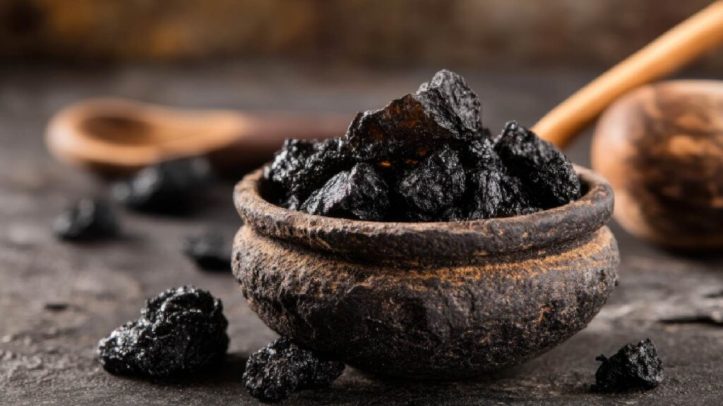
Shilajit has moved well beyond the small jars once found mainly in Ayurvedic stores. Today, buyers can choose between traditional resins, capsules and performance-focused formulations.
That makes the search for the best Shilajit brand in India less straightforward than it sounds. A cheaper jar is not automatically better value. A higher fulvic-acid number does not tell the whole story either.
The better starting point is to understand what you are actually buying.
First, decide what kind of Shilajit you want
A single-ingredient Shilajit resin is very different from a formulation that combines Shilajit with other Ayurvedic ingredients. Pure resins make sense for people who specifically want Shilajit in its traditional resin format. Blended products may be more relevant when the formulation has been designed around a particular goal, such as gym performance.
Capsules offer another route altogether. They are easier to consume and can suit buyers who do not enjoy the taste or texture of resin. The format should therefore match the reason you are taking it.
Testing matters more than a bold purity claim
Shilajit’s natural composition varies depending on where it comes from. Scientific reviews have also noted that it can contain a wide range of minerals and trace elements. That is why quality control matters particularly in this category.
Independent analysis has also found heavy metals in some Shilajit samples, reinforcing the need to look for proper testing rather than relying only on words such as “pure” or “Himalayan”.
Ideally, the brand should explain how the product has been tested. A recent lab report is more useful than a broad claim on the front of the pack.
Shilajit brands in India worth comparing
These products take noticeably different approaches, which is why it is more useful to compare them by use case than force them into a simple ranking.
Rasayanam
Rasayanam is firmly positioned around the pure-resin route. Its Himalayan Shilajit is sold as a single-ingredient resin sourced from the Himalayas. The brand states that it contains 75% fulvic acid and undergoes third-party testing through Eurofins for heavy metals and other contaminants.
For someone specifically looking for an unblended resin with a clear sourcing and testing story, Rasayanam is one of the stronger options to compare.
Upakarma Ayurveda
Upakarma also focuses on traditional Shilajit resin rather than a multi-herb formulation. The brand states that its resin contains more than 75% fulvic acid. It also says the product is tested for purity through a NABL-accredited laboratory. Its proposition is relatively simple: a resin-first product aimed at everyday strength and vitality.
Kapiva
Kapiva takes a different route with Shilajit Gold Resin. Kapiva Shilajit Gold Resin is a multi-herb Shilajit formulation designed for men looking to support strength, stamina and physical performance, rather than a plain, single-ingredient Shilajit resin.
The formulation combines Himalayan Shilajit with Nagori Ashwagandha, Black Musli, Swarna Bhasma and Gokshura. The Shilajit used in the formulation is stated to contain more than 70% fulvic acid. Kapiva positions the product specifically for men focused on gym performance and endurance.
Kapiva also places particular emphasis on testing and product-specific evidence. The brand says every pack is accompanied by a lab report covering heavy-metal testing and showing the minerals present in the product. Its Shilajit Gold formulation has also been discussed in a 2026 review article examining its potential role in supporting athletic performance, while a separate eight-week randomized, placebo-controlled clinical study in healthy men reported a 30% improvement in lifting performance and about a 40% increase in total testosterone versus baseline.
This product is less about buying Shilajit alone and more about buying a formulation built around fitness outcomes.
Dabur
Dabur is one of the most established names in the Indian Ayurveda market, and its Shilajit range is built largely around capsules. Dabur Shilajit Gold combines purified Shilajit with other Ayurvedic ingredients, including Ashwagandha. The brand positions it around physical strength and stamina rather than as a pure resin product.
For someone who prefers the convenience of a capsule and the familiarity of a heritage Ayurveda brand, Dabur remains a relevant option.
Baidyanath
Baidyanath gives buyers a little more choice in format. Its portfolio includes capsules as well as resin. The Ayurvedant Shilajit Resin is sold as Himalayan Shilajit with a stated 72% fulvic-acid content. This makes Baidyanath worth considering for buyers who want a heritage Ayurvedic brand but still prefer the resin format.
How should you compare value?
Do not compare only the number printed next to the rupee symbol.
First look at the amount of product you are getting. Then check the recommended serving size. A smaller jar can sometimes last as long as a larger one if the suggested daily quantity differs.
The formulation also changes what you are paying for. A single-ingredient resin and a multi-herb performance formulation should not be treated as identical products simply because both contain Shilajit.
Testing is part of that value equation too. If a brand provides meaningful batch-level information, that adds something a cheaper but opaque product may not.
So, which Shilajit brand is best in India?
It depends on what you want from the product. If your priority is a pure resin, Rasayanam and Upakarma make that positioning particularly clear. If you want a more focused Ayurvedic formulation, Kapiva Shilajit Gold takes a more specialised approach and has product-specific clinical research behind it.
If you prefer the convenience of a capsule, Dabur offers a familiar alternative. Baidyanath is worth considering if you want the heritage of an established Ayurvedic company while still having access to a resin format. Price can narrow the shortlist but it should not make the decision for you.

