
Every year, influenza affects millions of people worldwide, causing illnesses that range from mild respiratory symptoms to severe complications requiring hospitalisation. As flu season approaches, one common question often arises: Is it better to rely on natural immunity after recovering from the flu, or should you receive a vaccine?
The answer is not always as straightforward as choosing one over the other. Both natural immunity and vaccination involve the body’s immune system, but they differ in how protection is acquired and the potential risks involved. Understanding these differences can help you make informed decisions about flu immunization and your overall health.
What Is Natural Immunity?
Natural immunity develops after a person becomes infected with the influenza virus and their immune system successfully fights off the illness.
During infection, the body produces antibodies and activates immune cells that help recognise the virus if it is encountered again. This immune response may provide some protection against similar strains of influenza in the future.
However, influenza viruses change frequently through mutation. Immunity gained from a previous infection may not provide strong protection against newer strains that circulate during future flu seasons.
How Does Flu Vaccination Work?
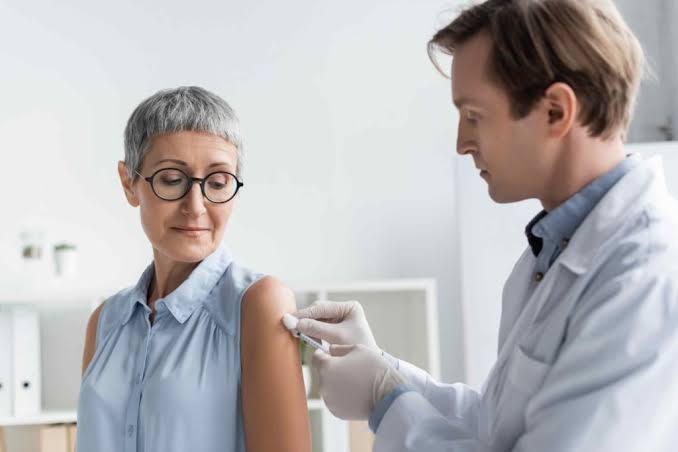
Unlike natural infection, influenza vaccination helps prepare the immune system without requiring a person to experience influenza itself.
Seasonal influenza vaccines contain inactivated viruses, weakened viruses, or selected viral components that stimulate an immune response. This allows the body to produce protective antibodies that can respond more quickly if exposure to the influenza virus occurs later.
Because influenza viruses evolve from year to year, vaccine formulations are regularly updated to match the strains expected to circulate during the upcoming flu season.
Comparing Natural Immunity and Vaccination
Both natural infection and vaccination stimulate the immune system, but they differ significantly in how immunity is achieved.
Natural immunity develops after a person becomes infected with influenza, which means they must first experience the illness and its potential complications. While this immune response may provide protection against similar strains, it may not be as effective against new influenza viruses that circulate in future seasons.
In contrast, flu vaccination helps prepare the immune system without requiring a person to become ill. Seasonal vaccines are updated regularly to target the influenza strains expected to circulate each year, providing protection that is better aligned with current viruses.
Although no preventive measure offers complete protection, vaccination allows the immune system to respond more quickly if exposure occurs, while avoiding the risks associated with contracting influenza itself.
Why Influenza Changes Every Year
Influenza viruses constantly undergo genetic changes.
These ongoing mutations, known as antigenic drift, are one reason people can become infected with influenza multiple times during their lifetime.
Because of these changes, immunity acquired from previous infections or earlier vaccinations may gradually become less effective against newer circulating strains.
This is why healthcare providers commonly recommend annual flu vaccination rather than relying solely on immunity from previous infections.
Who Is at Higher Risk of Severe Influenza?
Although influenza can affect anyone, certain groups face a greater risk of serious illness and complications. These include:
- Adults aged 65 years and older
- Young children
- Pregnant women
- Individuals with chronic heart or lung disease
- People with diabetes
- Individuals with weakened immune systems
- Residents of long-term care facilities
For these groups, preventing severe illness is an important consideration when discussing vaccination with a healthcare provider.
Can Healthy Lifestyle Habits Replace Vaccination?
Healthy habits play an important role in supporting the immune system. These include:
- Eating a balanced diet
- Getting adequate sleep
- Exercising regularly
- Managing stress
- Practising good hand hygiene
- Avoiding smoking
While these measures contribute to overall health, they do not provide specific immunity against influenza viruses.
Healthy lifestyle practices and flu vaccination should be viewed as complementary strategies rather than alternatives to one another.
Conclusion
Natural immunity and vaccination both involve the body’s immune system, but they are achieved in different ways. Natural immunity develops after recovering from influenza, while flu vaccination helps prepare the immune system before infection occurs, without requiring someone to experience the disease itself.
The most effective approach to reducing the impact of seasonal influenza combines vaccination with healthy lifestyle habits and everyday preventive measures such as regular handwashing, covering coughs and sneezes, and staying home when unwell.
If you have questions about flu vaccination, speak with your healthcare provider. They can explain the benefits, discuss your individual risk factors, and help you make an informed decision that supports your long-term health and wellbeing.

