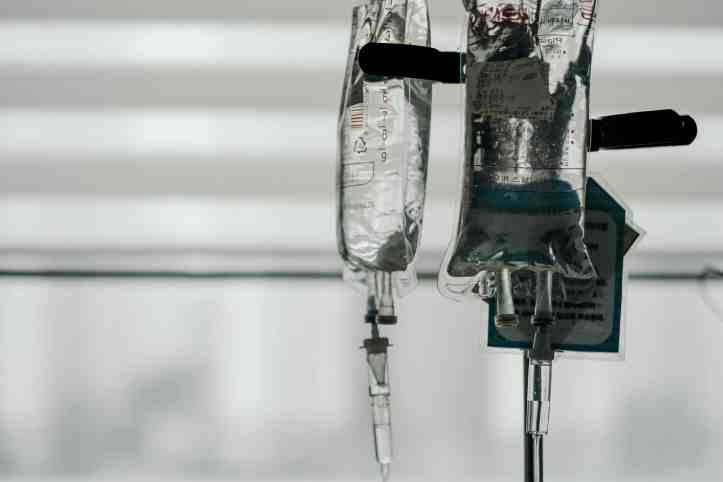
Anti-aging treatments using NAD+ IV therapy are gaining popularity. Patients are seeking treatment that directly targets cellular decline. With this therapy, niacinamide adenine dinucleotide bypasses digestion entirely. Demand explodes because it targets energy production where ageing actually happens. Medical professionals asking what is nad+ iv therapy now position it as their primary weapon against age-related cellular breakdown.
Energy production rebounds
NAD+ exists in every cell as a coenzyme. It transforms food into usable fuel. Ageing tanks these levels. Drop too low, and cells barely function. Energy production collapses across every system. Metabolism crawls. Cellular repairs slow to a halt. Recovery from exercise takes forever. Mitochondria take the biggest hit since they manufacture energy for every biological function. IV delivery beats oral supplements by miles. Bloodstream delivers concentrated doses directly to cells. NAD+ powers muscle contraction and thought in mitochondria. More NAD+ means cells regain their production capacity. Some metabolic slowdowns start reversing. Practitioners favour this because it fixes the foundation rather than painting over cracks.
Absorption rates matter
Oral NAD+ supplements fail hard at absorption. Stomach enzymes shred the molecule before bloodstream entry. The digestive tract rips NAD+ into fragments. Almost nothing survives intact. Even massive oral doses barely budge blood levels. IV administration eliminates this. The therapy shoots NAD+ directly into circulation. Every tissue accesses it within minutes. No digestive destruction. The molecule stays whole. Blood levels surge during sessions. High concentrations push NAD+ into cells far more effectively than oral routes ever could. Doctors choose IV when rapid cellular replenishment matters.
Clinical use expands
Longevity clinics now build protocols around NAD+ infusions. Patient requests have skyrocketed among people taking proactive ageing approaches. What started as fringe experimentation became routine practice. Protocols get refined constantly. Dosing strategies, infusion rates, and session frequency all shift based on patient responses and emerging data. Single sessions address acute energy crashes. Treatment series spanning weeks maintains ongoing cellular support. Sessions run anywhere from one to four hours based on dosage and tolerance. Slower infusions produce fewer reactions like flushing or nausea. Wellness centres field constant requests from clients wanting prevention before decline hits. Integrative clinics bundle NAD+ with vitamin infusions for complete cellular packages. Concierge practices sell it as premium anti-ageing work. Medical spas added NAD+ infusions, pushing treatment beyond clinical walls into wellness territory.
Patients feel differences
NAD+ recipients describe obvious improvements. Energy climbs. Mental fog lifts. Vitality rebounds after treatment. People mention sharper alertness, stronger focus, and better physical endurance in the days post-infusion. These accounts spread through social networks and drive popularity upward. Felt experience matters enormously for adoption. Changes show up fast compared to interventions requiring months to demonstrate value. Some feel energy surges during infusions. Others build benefits across multiple sessions. Responses vary based on baseline levels, health status, and lifestyle factors. NAD+ creates noticeable improvements that people actually feel. Those experiencing genuine benefits tell everyone. Friends then pursue similar treatments for their ageing concerns.
NAD+ IV therapy popularity stems from converging forces. A metabolic decline that is corrected at its source restores cellular energy. Oral supplements lose to bioavailability. Infusions are integrated into wellness programs, accelerating clinical adoption. Several patients report tangible energy gains. Research backing grows as scientists decode NAD+ biology. These elements pushed the intervention from experimental margins into mainstream medicine.
 Yoursfit Health Blog