What Is Astaxanthin and Why Is It Called the “Red Miracle”?
Astaxanthin is a naturally occurring carotenoid—a vibrant red pigment found in microalgae, shrimp, lobster, krill, and salmon. It’s what gives flamingos their pink hue and salmon their reddish tint. But beyond its striking color lies a powerhouse antioxidant that scientists and wellness enthusiasts have dubbed “the red miracle.”
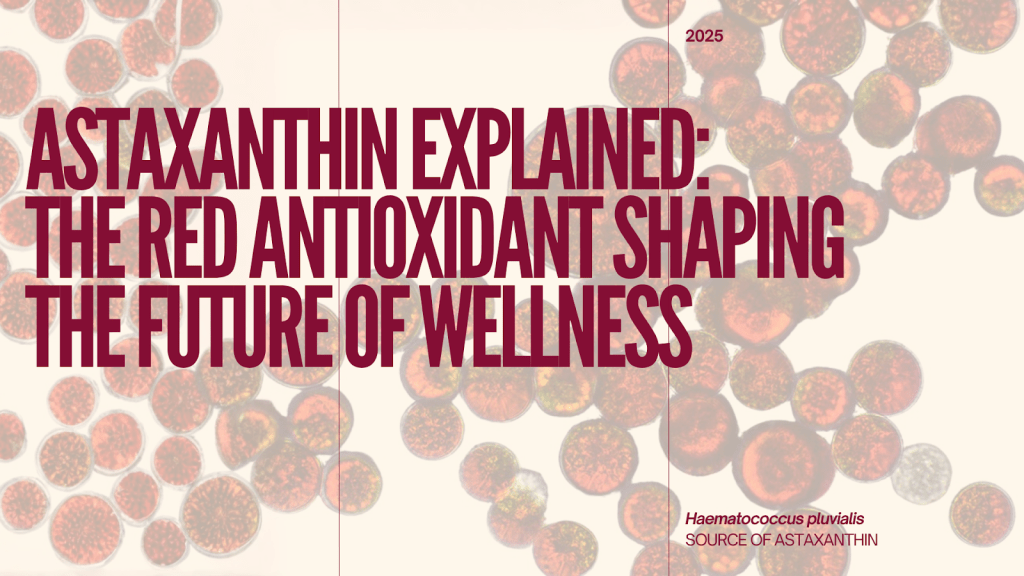
This natural compound, derived primarily from the microalgae Haematococcus pluvialis, has gained worldwide attention for its extraordinary antioxidant potential. Unlike many other natural antioxidants, astaxanthin can cross both the blood-brain and blood-retinal barriers, offering protection to the brain, nervous system, and eyes. It’s fat-soluble, which allows it to integrate into cell membranes, protecting them from oxidative damage.
Unlike synthetic antioxidants that may behave unpredictably in the body, astaxanthin operates harmoniously within our biological systems. This balance makes it one of the safest and most effective supplements available today—a cornerstone of modern wellness.
The Science Behind Astaxanthin: How It Works in the Body
At a cellular level, astaxanthin acts as a molecular bodyguard. It neutralizes free radicals—unstable molecules that cause oxidative stress and damage DNA, proteins, and lipids. What sets astaxanthin apart from other natural antioxidants is its dual-layer protection: it embeds itself across the lipid bilayer of cell membranes, shielding cells inside and out.
Research shows that astaxanthin is up to 6,000 times stronger than vitamin C, 550 times more powerful than vitamin E, and 40 times stronger than beta-carotene in combating oxidative stress. This incredible antioxidant strength is what makes it a key ingredient in advanced nutritional formulations and supplements.
Moreover, astaxanthin supports mitochondrial health, which plays a crucial role in energy production. By reducing mitochondrial oxidative stress, it improves endurance, muscle performance, and recovery—qualities that are especially beneficial for athletes and active individuals.
Astaxanthin Supplement Benefits: A Deep Dive Into Wellness Advantages
1. Skin Health and Anti-Aging
One of the most celebrated astaxanthin supplement benefits is its ability to rejuvenate skin from within. Studies have shown that consistent intake can reduce fine lines, improve elasticity, and increase moisture retention. Unlike topical creams that act on the surface, astaxanthin works systemically, fighting oxidative stress at the cellular level to delay visible signs of aging.
2. Eye and Brain Protection
Because it crosses the blood-brain barrier, astaxanthin provides neuroprotective effects that may reduce the risk of cognitive decline. Its ability to penetrate the retina also helps shield the eyes from blue light damage and oxidative stress—a growing concern in today’s digital era.
3. Cardiovascular and Immune Support
Astaxanthin promotes healthy blood lipid profiles and supports normal blood pressure. It reduces inflammation, improving arterial flexibility and overall heart health. Furthermore, its immune-boosting properties help the body fend off infections and promote faster recovery.
4. Exercise Recovery and Energy Enhancement
Athletes are increasingly turning to astaxanthin for its performance-enhancing capabilities. By reducing lactic acid buildup and improving oxygen utilization, it supports endurance and faster recovery. Whether you’re an athlete or simply leading an active lifestyle, this microalgae antioxidant may give your body the resilience it needs.
The Microalgae Connection: Nature’s Purest Antioxidant Source
Astaxanthin’s origin story begins with microalgae antioxidants. When Haematococcus pluvialis is exposed to intense sunlight or nutrient deprivation, it produces astaxanthin as a survival mechanism. This natural defense process results in one of the most potent antioxidants known to science.
This microalgae source is entirely natural, vegan, and sustainable—making it a perfect fit for modern eco-conscious wellness. Unlike synthetic alternatives, natural astaxanthin derived from microalgae retains its full spectrum of carotenoid benefits, enhancing both potency and safety.
For those interested in learning more about how this microalgae antioxidant is cultivated and processed, you can explore Astaxanthin 101, where we break down the extraction methods, purity standards, and bioavailability factors that ensure quality supplementation.
Astaxanthin in Modern Wellness: From Longevity to Lifestyle
The integration of astaxanthin into daily health routines marks a pivotal shift in how we approach wellness. In the age of oxidative stress—caused by pollution, stress, and poor diet—astaxanthin offers a natural and scientifically validated way to protect the body’s foundation: its cells.
A Revolution in Preventive Health
Modern science now confirms that many chronic diseases are rooted in oxidative damage. Astaxanthin’s role as a broad-spectrum antioxidant positions it as a key ally in preventive healthcare, supporting the body before imbalance turns into illness.
A New Era of Natural Therapeutics
From cognitive enhancement to skin radiance and cardiovascular balance, astaxanthin embodies the holistic potential of natural antioxidants. It doesn’t just target symptoms; it supports the body’s innate ability to repair, rejuvenate, and thrive.
To explore premium formulations designed to harness this red powerhouse, Astadaily® All-In-One Astaxanthin Supplement, where you’ll find clinically studied blends that deliver maximum purity and potency.
How to Choose a High-Quality Astaxanthin Supplement
Not all supplements are created equal. When choosing an astaxanthin product, look for:
- Natural microalgae source: Preferably Haematococcus pluvialis over synthetic or yeast-based forms.
- Certified purity: Products should be free of contaminants, with third-party testing verification.
- Optimal dosage: 4–12 mg per day is the commonly studied range for health benefits.
- Lipid carrier formulation: Astaxanthin absorbs better when paired with healthy fats or taken with meals.
Quality is everything when it comes to supplementation. Poorly sourced or synthetic versions may not deliver the same health benefits as natural microalgae-based forms.
FAQ
Q1: What makes astaxanthin different from other antioxidants like vitamin C or E?
Astaxanthin offers full cellular protection because it spans the entire cell membrane, shielding both water- and fat-soluble areas from oxidative damage—something other antioxidants can’t do simultaneously.
Q2: Is astaxanthin safe for daily use?
Yes, numerous clinical studies confirm that natural astaxanthin is safe for long-term use without toxicity. However, it’s important to choose verified, high-quality products.
Q3: Can astaxanthin improve athletic performance?
Yes. It reduces muscle fatigue, enhances endurance, and promotes faster recovery through improved mitochondrial efficiency and reduced inflammation.
Q4: How long does it take to see results from astaxanthin supplementation?
Most users report noticeable improvements in skin tone, energy, and focus within 4–6 weeks of consistent use.
Conclusion
Astaxanthin is more than just another supplement—it’s a scientific and natural breakthrough in cellular health. Its ability to protect and enhance the body from within is reshaping the landscape of wellness. From skin vitality to brain clarity and athletic performance, the red antioxidant stands as a symbol of what future-forward health can look like: natural, sustainable, and powerful.
Whether you’re seeking to boost longevity, shield against oxidative stress, or simply feel your best, astaxanthin is the red thread connecting modern science with nature’s timeless wisdom.
 Yoursfit Health Blog