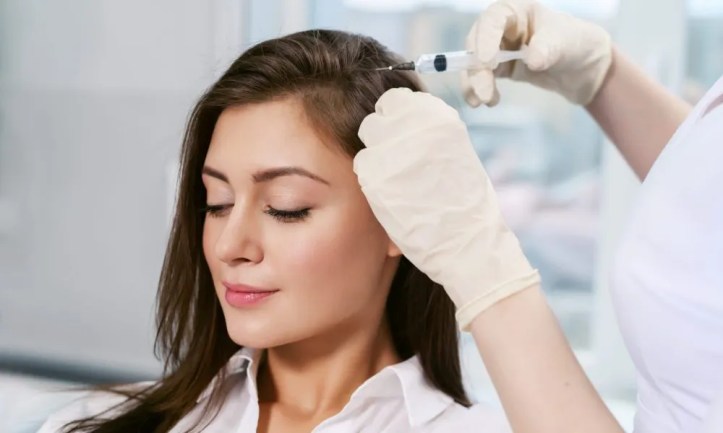
Hair is more than just a beauty feature; it is a reflection of your overall health. Understanding the hair growth cycle is essential for maintaining healthy, strong hair and preventing unnecessary hair loss. Whether you are dealing with hair thinning, excessive shedding, or simply want to boost hair growth, knowing how the hair cycle works can help you make informed decisions about hair care. This guide will break down each phase of the hair growth cycle and highlight factors that influence hair health.
Understanding the Basics of Hair Growth
What is Hair Made Of?
Hair is primarily composed of keratin, a type of protein that also forms nails and the outer layer of the skin. Each strand of hair consists of three layers:
- Cuticle – The outermost protective layer
- Cortex – The thickest layer, containing melanin (which gives hair its color)
- Medulla – The innermost part, present mainly in thicker hair types
The hair follicle is the root structure embedded in the scalp, responsible for hair production and growth.
How Does Hair Grow?
Hair growth starts from the hair bulb, located at the base of the follicle. The dermal papilla, a structure rich in blood vessels, provides oxygen and nutrients to the follicle, stimulating growth. Blood circulation plays a crucial role in nourishing hair follicles and ensuring healthy hair growth.
The Four Stages of the Hair Growth Cycle
Hair does not grow continuously but follows a cycle consisting of four distinct phases:
1. Anagen Phase (Growth Phase)
- The most active phase of hair growth, lasting 2 to 7 years.
- Determines hair length, as longer anagen phases result in longer hair.
- The follicle remains attached to the blood supply, allowing continuous growth.
- Factors influencing anagen phase: Genetics, diet, age, and overall health.
2. Catagen Phase (Transition Phase)
- A short phase lasting 2-3 weeks where hair stops growing.
- The follicle shrinks and detaches from the blood supply.
- Hair is no longer actively growing but remains in place until it enters the next phase.
3. Telogen Phase (Resting Phase)
- Hair remains in place for about 3-4 months before naturally shedding.
- Normal shedding: Losing 50-100 hairs per day is common.
- The follicle prepares for new hair growth while resting.
4. Exogen Phase (Shedding Phase)
- Old hair sheds, making way for new hair growth.
- Hair fall increases, especially during seasonal changes.
- Shedding should not be confused with excessive hair loss, which may indicate underlying issues.
Factors That Affect the Hair Growth Cycle
Genetics and Hair Growth
- Genetic predisposition determines hair thickness, length, and growth rate.
- Hereditary hair loss, such as male and female pattern baldness, is linked to genetic factors.
Hormonal Changes and Hair Growth
- Hormones like DHT (Dihydrotestosterone) can shrink hair follicles, leading to hair loss.
- Pregnancy, menopause, and postpartum hormonal changes affect hair density.
- Thyroid disorders can cause excessive shedding and brittle hair.
Diet and Nutrition for Hair Health
Essential nutrients for hair growth include:
- Biotin – Supports keratin production
- Vitamin D – Helps activate hair follicles
- Iron & Zinc – Prevents hair thinning
- Omega-3 Fatty Acids – Keeps the scalp healthy
- Poor diet can lead to weak, brittle hair and increased shedding.
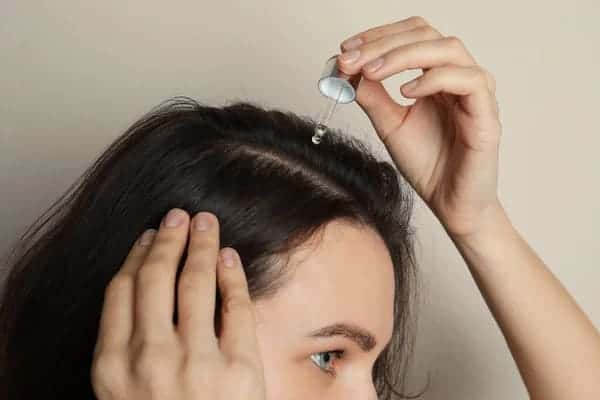
Stress and Hair Growth Disruptions
- High stress levels trigger telogen effluvium, leading to increased shedding.
- Chronic stress raises cortisol, which negatively affects follicle function.
- Managing stress through exercise, meditation, and adequate sleep can promote healthy hair growth.
Medical Conditions and Hair Growth Disorders
- Alopecia Areata – Autoimmune disorder causing patchy hair loss.
- Androgenetic Alopecia – Common hereditary hair loss pattern in both men and women.
- Scalp conditions like dandruff, psoriasis, and fungal infections can disrupt the hair cycle.
Environmental Factors and Hair Damage
- Pollution, UV exposure, and extreme weather weaken hair structure.
- Heat styling, chemical treatments, and over-washing contribute to hair damage and breakage.
- A healthy scalp care routine ensures a balanced environment for hair growth.
How to Support a Healthy Hair Growth Cycle
Best Practices for Hair Care
- Use mild, sulfate-free shampoos to prevent scalp irritation.
- Massage the scalp regularly to improve circulation and follicle health.
- Trim split ends to maintain strong and healthy hair strands.
Natural Remedies and DIY Treatments
- Castor oil, rosemary oil, and peppermint oil stimulate hair follicles.
- DIY hair masks with eggs, honey, and aloe vera nourish and strengthen hair.
- Scalp exfoliation helps remove dead skin cells and product buildup.
Hair Growth Supplements and Treatments
- Biotin and collagen supplements improve hair structure.
- Minoxidil (FDA-approved treatment) stimulates hair regrowth.
- Laser therapy and PRP (Platelet-Rich Plasma) help regenerate hair follicles.
Lifestyle Changes for Better Hair Growth
- Stay hydrated – Dehydration leads to brittle hair.
- Get enough sleep – Growth hormones are released during deep sleep cycles.
- Regular exercise improves blood circulation to the scalp.
Common Myths and Misconceptions About Hair Growth
- Myth: Cutting hair makes it grow faster.
Fact: Hair grows from the follicle, not the ends. - Myth: Using special shampoos can regrow lost hair.
Fact: No shampoo can regrow hair lost due to genetics or hormonal imbalance. - Myth: Brushing hair often promotes growth.
Fact: Over-brushing can cause hair breakage.
Conclusion
Understanding the hair growth cycle is crucial for maintaining healthy hair and preventing unnecessary shedding. By following a proper hair care routine, maintaining a balanced diet, and addressing underlying health issues, you can support natural hair growth. If you experience excessive hair loss, consider consulting a dermatologist for professional advice.
 Yoursfit Health Blog