The human skin is the body’s first line of defense against infections, environmental pollutants, and injuries. When damaged, the skin undergoes a natural healing process to restore its integrity. However, the speed and efficiency of recovery depend on several factors, including proper nutrition. Consuming the right nutrients can significantly accelerate skin repair, minimize scarring, and maintain overall skin health.
In this article, we’ll explore essential nutrients that promote faster skin recovery, how they work, and the best food sources to include in your diet.
How Does Skin Repair Itself?
Before diving into the nutrients that aid skin recovery, it’s important to understand how the skin heals. The healing process occurs in three major stages:
- Inflammation Phase (0-5 days) – The body responds to injury by sending white blood cells to fight infections and form a clot.
- Tissue Formation Phase (5-21 days) – Fibroblasts produce collagen, which helps build new tissue and repair the wound.
- Remodeling Phase (21 days to several months) – The new skin strengthens, scars may form, and pigmentation is restored.
Factors like age, genetics, lifestyle, and nutrition can either accelerate or slow down skin healing.
Key Nutrients for Faster Skin Recovery
1. Protein: The Foundation for Skin Repair
Protein provides the amino acids needed for collagen production, the most abundant structural protein in the skin. It helps strengthen the new tissue, preventing fragile or easily damaged skin.
Best Sources: Lean meats, fish, poultry, eggs, dairy, legumes, tofu, nuts, and seeds.
2. Vitamin C: The Collagen Booster
Vitamin C plays a vital role in collagen synthesis and acts as an antioxidant, protecting the skin from oxidative stress that can delay healing. It also reduces inflammation and promotes even skin tone.
Best Sources: Citrus fruits (oranges, lemons, grapefruits), bell peppers, strawberries, kiwi, broccoli, and spinach.
3. Vitamin A: Accelerating Cell Regeneration
Vitamin A supports skin cell regeneration and helps maintain the skin’s natural barrier. It reduces scarring and enhances the skin’s ability to heal from wounds, acne, and burns.
Best Sources: Sweet potatoes, carrots, spinach, liver, eggs, dairy products, and cod liver oil.
4. Vitamin E: The Skin’s Moisturizing Shield
Vitamin E is a powerful antioxidant that protects against free radical damage, preventing excess scarring and inflammation. It also keeps the skin hydrated, improving its elasticity.
Best Sources: Almonds, sunflower seeds, avocados, spinach, and olive oil.
5. Zinc: The Healing Mineral
Zinc is essential for immune function and tissue repair. It speeds up wound healing, reduces inflammation, and prevents bacterial infections that can slow recovery.
Best Sources: Shellfish, beef, pumpkin seeds, chickpeas, lentils, and whole grains.
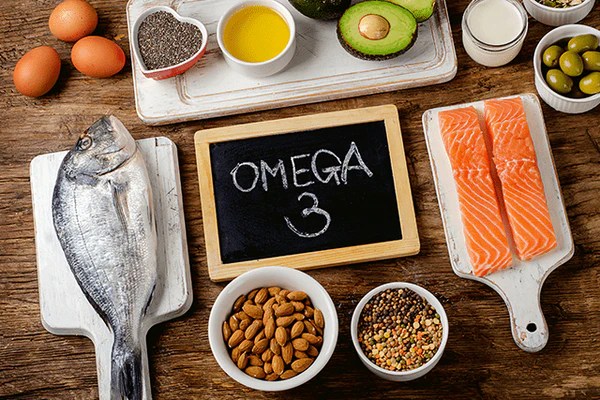
6. Omega-3 Fatty Acids: Reducing Inflammation for Faster Healing
Omega-3s help reduce inflammation, improve skin hydration, and promote cell membrane repair. They are particularly beneficial for people with acne, eczema, and psoriasis.
Best Sources: Fatty fish (salmon, mackerel, sardines), flaxseeds, chia seeds, walnuts, and hemp seeds.
7. Iron: Oxygenating the Skin
Iron is needed for red blood cell production, which transports oxygen to damaged tissues, enhancing healing. A lack of iron can lead to pale skin, slow wound healing, and increased bruising.
Best Sources: Red meat, spinach, lentils, quinoa, tofu, and fortified cereals.
8. B Vitamins: Supporting Skin Hydration & Regeneration
Biotin and B-complex vitamins support skin cell turnover, reduce dryness and irritation, and prevent cracks and peeling.
Best Sources: Whole grains, eggs, dairy, nuts, legumes, and leafy greens.
9. Selenium: Preventing Excessive Scar Formation
Selenium is a trace mineral that helps protect skin cells from damage and regulates inflammation to prevent excessive scar tissue formation.
Best Sources: Brazil nuts, tuna, mushrooms, sunflower seeds, and whole grains.
10. Copper: Strengthening Skin Elasticity
Copper plays a role in collagen cross-linking, which makes new skin stronger and more resilient. It also enhances wound closure and skin pigmentation repair.
Best Sources: Shellfish, nuts, seeds, whole grains, dark chocolate, and legumes.
11. Hydration: The Key to Skin Recovery
Water is essential for cellular repair, as it transports nutrients to damaged tissues and flushes out toxins. Dehydration slows down healing, leading to dry and brittle skin.
Best Sources: Water, herbal teas, coconut water, and hydrating foods like cucumbers and watermelon.
Superfoods That Promote Skin Healing
Anti-Inflammatory Foods:
Turmeric, ginger, green tea, and dark leafy greens.
Collagen-Rich Foods:
Bone broth, chicken skin, fish skin, and gelatin.
Probiotic Foods for Gut-Skin Health:
Yogurt, kefir, sauerkraut, kimchi, and miso.
How Poor Nutrition Delays Skin Healing
- Vitamin and mineral deficiencies can slow down skin recovery.
- Processed foods and sugar increase inflammation, weakening the skin’s ability to heal.
- Lack of protein results in weak, fragile skin prone to scarring.
Are Supplements Necessary for Skin Healing?
If you struggle with nutrient deficiencies, supplements may help. Some of the best options include:
- Collagen Peptides – Boosts skin elasticity and tissue repair.
- Vitamin C & Zinc – Supports wound healing and immune function.
- Omega-3 Fish Oil – Reduces inflammation and promotes hydration.
- Probiotics – Improves gut health, which influences skin regeneration.
Practical Tips to Include Skin-Healing Nutrients in Your Diet
- Plan balanced meals with protein, vitamins, and minerals.
- Drink plenty of water and herbal teas for hydration.
- Snack smartly with nuts, seeds, and fruits rich in antioxidants.
- Try healing smoothies with berries, flaxseeds, and spinach.
Conclusion
Proper nutrition is essential for faster skin recovery and long-term skin health. By incorporating protein, vitamins, minerals, and healthy fats into your diet, you can accelerate wound healing, reduce inflammation, and promote a stronger skin barrier. Whether healing from an injury, acne, surgery, or sun damage, the right foods can make a significant difference.
Prioritize nutrient-dense meals, stay hydrated, and maintain a healthy lifestyle to support your skin’s natural healing process.
 Yoursfit Health Blog