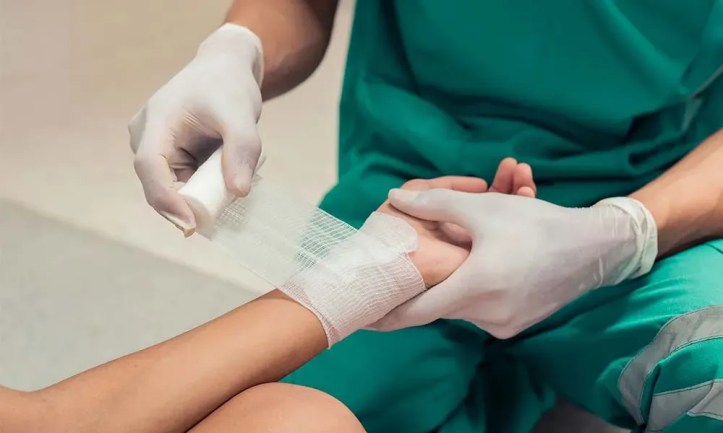
Scars are a natural part of the healing process, but not all scars behave the same way. Some scars gradually fade, blending into the skin over time, while others remain visible for a lifetime. What makes the difference? From biological factors to external influences, understanding why some scars fade while others stay forever can help in managing and treating them effectively.
What is a Scar? The Science of Skin Healing
A scar is the body’s way of repairing itself after an injury. When the skin is damaged, the body rushes to close the wound as quickly as possible, forming new tissue primarily composed of collagen. However, this healing process doesn’t always result in a smooth and even skin surface. The way the scar develops depends on various factors, including genetics, wound depth, and environmental conditions.
The Wound Healing Process
The formation of a scar goes through three primary stages:
- Inflammation Phase (0-5 days) – The body sends white blood cells to fight infection and clot the blood.
- Proliferation Phase (5-21 days) – Fibroblasts produce collagen, creating new tissue to close the wound.
- Remodeling Phase (21 days to several months) – Collagen is reorganized to strengthen the wound, often determining whether a scar will be prominent or fade.
Different Types of Scars and Why Some Stay Forever
Not all scars are the same. The type of scar that forms depends on how the skin heals after an injury.
1. Normal or Fading Scars
These scars develop as thin, flat marks that lighten over time. They occur when the body produces just the right amount of collagen and the healing environment is optimal.
2. Persistent or Permanent Scars
Some scars are more resistant to fading due to excessive collagen production or improper wound healing. They include:
- Hypertrophic Scars – Thick, raised scars that remain within the wound’s original boundaries.
- Keloid Scars – These extend beyond the wound and grow abnormally due to excess collagen.
- Atrophic Scars – Indented scars, often seen in acne and chickenpox cases, caused by tissue loss.
- Contracture Scars – Result from severe burns, leading to skin tightening and restricted movement.
- Hyperpigmented and Hypopigmented Scars – Darker (hyperpigmentation) or lighter (hypopigmentation) than the surrounding skin due to pigment changes.
Why Do Some Scars Fade While Others Stay Forever?
Several key factors determine whether a scar fades over time or remains visible indefinitely.
1. Genetics and Skin Type
Your genes play a significant role in how your skin heals. People with darker skin tones are more prone to hyperpigmentation and keloid scars, while those with lighter skin may develop more noticeable atrophic scars.
2. Age and Collagen Production
Younger individuals tend to heal faster due to higher collagen production, but this can also lead to raised scars. Older individuals have reduced collagen levels, which may result in thinner scars that fade more easily.
3. Depth and Severity of the Wound
Superficial wounds heal with minimal scarring, whereas deep wounds affecting multiple skin layers are more likely to leave permanent marks.
4. Scar Location Matters
Scars on areas with more movement (like knees and elbows) tend to stretch and remain more prominent. Conversely, areas with higher blood flow, like the face, may heal faster and fade more efficiently.
5. Infection and Poor Wound Care
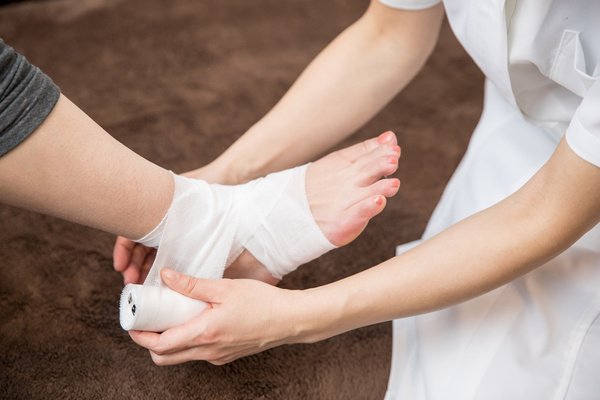
Infected wounds lead to prolonged inflammation, resulting in thicker and more noticeable scars. Proper wound care, including keeping the area clean and moisturized, helps in scar minimization.
6. Sun Exposure and UV Damage
Scars exposed to the sun can darken due to increased melanin production. Using sunscreen (SPF 30+) prevents hyperpigmentation and aids in gradual fading.
7. Diet and Lifestyle Impact Healing
A healthy diet rich in Vitamin C, E, Zinc, and Omega-3 fatty acids promotes better skin regeneration, reducing the likelihood of severe scarring. Conversely, smoking and alcohol impair circulation, delaying healing.
How to Reduce or Remove Scars?
While scars can never completely disappear, several treatments can help in minimizing their appearance.
Natural Remedies and Home Treatments
- Aloe Vera & Honey – Moisturize and reduce inflammation.
- Massage Therapy – Helps break down collagen buildup in raised scars.
- Hydration & Moisturizing – Keeps skin supple, aiding in scar fading.
Over-the-Counter Solutions
- Silicone Gel Sheets – Proven to flatten hypertrophic and keloid scars.
- Vitamin E & Retinol Creams – Stimulates skin regeneration.
Dermatological and Medical Treatments
- Laser Therapy – Reduces discoloration and smooths raised scars.
- Microneedling – Promotes collagen production for atrophic scars.
- Chemical Peels – Removes the top skin layer, encouraging new growth.
- Steroid Injections – Helps flatten raised keloid scars.
- Surgical Scar Revision – Best for deep scars needing reconstruction.
Preventing Scars from Forming
- Keep wounds clean and covered to promote optimal healing.
- Avoid picking at scabs, as it disrupts the healing process.
- Apply sunscreen daily to prevent darkening of fresh scars.
Common Myths About Scars
1. “Scars Completely Disappear Over Time”
Truth: Scars may fade but never fully disappear. The goal is to make them less noticeable.
2. “Vitamin E Works for All Scars”
Truth: While Vitamin E benefits some scars, studies show it can worsen keloid scars in certain cases.
3. “Massage and Exercise Can Heal Scars”
Truth: Massage helps with raised scars, but exercise doesn’t directly fade scars—though improved circulation may aid healing.
4. “Everyone Heals the Same Way”
Truth: Healing varies due to genetics, skin type, and health conditions.
Final Thoughts: Can You Completely Prevent or Erase Scars?
While it’s impossible to avoid scars entirely, proper wound care, sun protection, and treatment options can significantly minimize their appearance. If you struggle with persistent scars, consulting a dermatologist or skin specialist can help determine the best approach for your skin type.
Understanding why some scars fade while others remain permanent is crucial in finding the best treatment and care methods. With the right knowledge and approach, managing scars can become easier and more effective.
 Yoursfit Health Blog