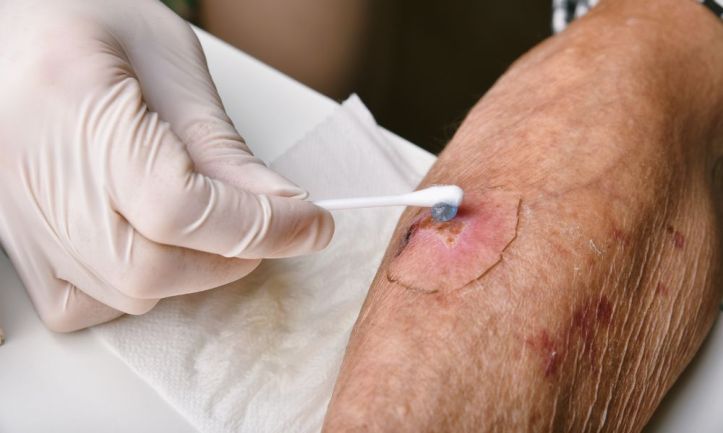
Skin is our body’s first line of defense, constantly battling environmental threats while maintaining its integrity. The ability of the skin to heal itself after injuries is a fascinating biological process that involves multiple phases and cellular interactions. From minor cuts to severe burns, the mechanisms of skin regeneration and wound healing have been a subject of extensive scientific study. Advancements in regenerative medicine, tissue engineering, and biotechnology are now unlocking new possibilities for faster, scar-free healing.
This article explores the intricate science behind skin regeneration and wound repair, the factors influencing healing, and the latest medical breakthroughs in this field.
Understanding Skin Structure and Function
Layers of the Skin
To comprehend skin regeneration, it is essential to understand the structure of the skin, which is composed of three primary layers:
- Epidermis: The outermost layer responsible for protecting against pathogens, UV rays, and dehydration. It is mainly composed of keratinocytes that undergo continuous renewal.
- Dermis: The middle layer, rich in collagen, elastin, and blood vessels, which provides structural support, elasticity, and nutrient exchange.
- Hypodermis (Subcutaneous Tissue): The deepest layer consisting of fat and connective tissue that insulates the body and cushions underlying structures.
Functions of the Skin
- Acts as a protective barrier against external threats
- Regulates body temperature
- Facilitates sensory perception
- Aids in immune responses and prevents infections
- Plays a key role in wound healing and tissue repair
The Biology of Skin Regeneration
Natural Skin Renewal Process
Skin naturally renews itself every 28–40 days through a complex process involving keratinocyte proliferation, differentiation, and shedding. This continuous cycle ensures the maintenance of the epidermis and contributes to minor wound healing.
Mechanisms of Skin Regeneration
When the skin is injured, a highly coordinated healing process begins. The main components involved include:
- Cellular Proliferation: Rapid multiplication of cells to replace damaged tissues.
- Extracellular Matrix (ECM) Remodeling: Structural proteins like collagen are reorganized for proper tissue formation.
- Stem Cell Activation: Epidermal and mesenchymal stem cells contribute to new skin cell production.
Key Biological Components
- Growth Factors: Epidermal Growth Factor (EGF), Fibroblast Growth Factor (FGF), and Vascular Endothelial Growth Factor (VEGF) stimulate cell division and angiogenesis.
- Cytokines and Chemokines: These signaling molecules regulate immune responses and inflammation.
- Collagen and Elastin: Essential proteins that provide strength and elasticity to healing tissues.
Phases of Wound Healing
1. Hemostasis (Blood Clotting)
- Platelets aggregate at the injury site, releasing clotting factors.
- Formation of fibrin clot to seal the wound and prevent excessive bleeding.
2. Inflammatory Phase
- White blood cells (neutrophils and macrophages) remove pathogens and dead cells.
- Release of pro-inflammatory cytokines like IL-1 and TNF-alpha to initiate tissue repair.
3. Proliferative Phase
- Angiogenesis leads to the formation of new blood vessels.
- Fibroblasts deposit ECM components to support tissue formation.
- Keratinocytes migrate to close the wound, facilitating re-epithelialization.
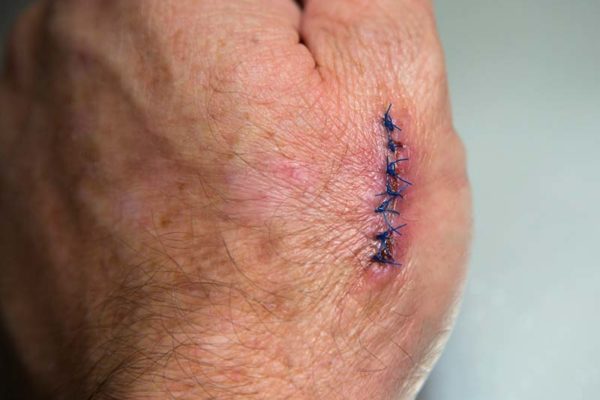
4. Remodeling (Maturation Phase)
- Collagen fibers are reorganized, increasing tissue strength.
- Myofibroblasts contract the wound to reduce scar formation.
Factors Affecting Skin Regeneration and Wound Repair
Internal Factors
- Age: Older skin heals slower due to decreased collagen production.
- Chronic Conditions: Diabetes, cardiovascular diseases, and immune disorders impair healing.
- Nutritional Deficiencies: Lack of vitamins (A, C, E) and proteins hinders regeneration.
External Factors
- Environmental Damage: UV exposure accelerates skin aging and delays wound closure.
- Infections: Bacterial colonization impairs healing and leads to chronic wounds.
- Lifestyle Choices: Smoking and alcohol consumption negatively impact tissue repair.
Advanced Techniques in Skin Regeneration
Stem Cell Therapy
Stem cells, particularly mesenchymal and induced pluripotent stem cells (iPSCs), are being explored for their regenerative potential in wound healing and scar reduction.
Growth Factor-Based Therapies
- Platelet-Rich Plasma (PRP) injections enhance tissue repair.
- Bioengineered growth factors accelerate healing in chronic wounds.
Tissue Engineering & Skin Grafting
- Autografts (patient’s own skin) and allografts (donor skin) aid in severe wound recovery.
- 3D bioprinting of skin tissue is emerging as a groundbreaking solution.
Gene Therapy for Skin Repair
- Genetic modifications using CRISPR technology aim to enhance skin regeneration.
- Research is ongoing to reduce fibrosis and improve scar-free healing.
Nanotechnology in Wound Healing
- Smart bandages with drug-loaded nanoparticles for targeted therapy.
- Hydrogel-based scaffolds promote cellular growth in chronic wounds.
Chronic Wound Management and Challenges
Understanding Chronic Wounds
Chronic wounds like diabetic ulcers and pressure sores result from prolonged inflammation and impaired cell proliferation.
Modern Approaches to Treatment
- Hyperbaric Oxygen Therapy (HBOT): Increases oxygen supply to wounds, promoting healing.
- Negative Pressure Wound Therapy (NPWT): Removes excess fluid and promotes cell growth.
- Bioengineered Skin Substitutes: Enhances skin regeneration in non-healing wounds.
Challenges in Research
- High costs of regenerative treatments.
- Regulatory hurdles in approving advanced therapies.
- Need for personalized medicine approaches.
Future Directions in Skin Regeneration
Innovations in Regenerative Medicine
- AI-driven wound assessment for predictive healing patterns.
- Smart wearable devices for real-time monitoring of wounds.
Potential for Scar-Free Healing
- Exploring fetal-like wound healing mechanisms.
- Advanced biomaterials that mimic natural skin regeneration.
Conclusion
The science of skin regeneration and wound repair has made remarkable progress, driven by advancements in stem cell research, gene therapy, and biomaterials. As new therapies emerge, the future holds promise for faster, scar-free healing, improving the quality of life for individuals with acute and chronic wounds. Continued research and clinical trials will be crucial in bringing these innovations into mainstream medical practice.
 Yoursfit Health Blog